Crafting a Winning Digital Marketing Plan: Strategies for Professional Skill Advancement
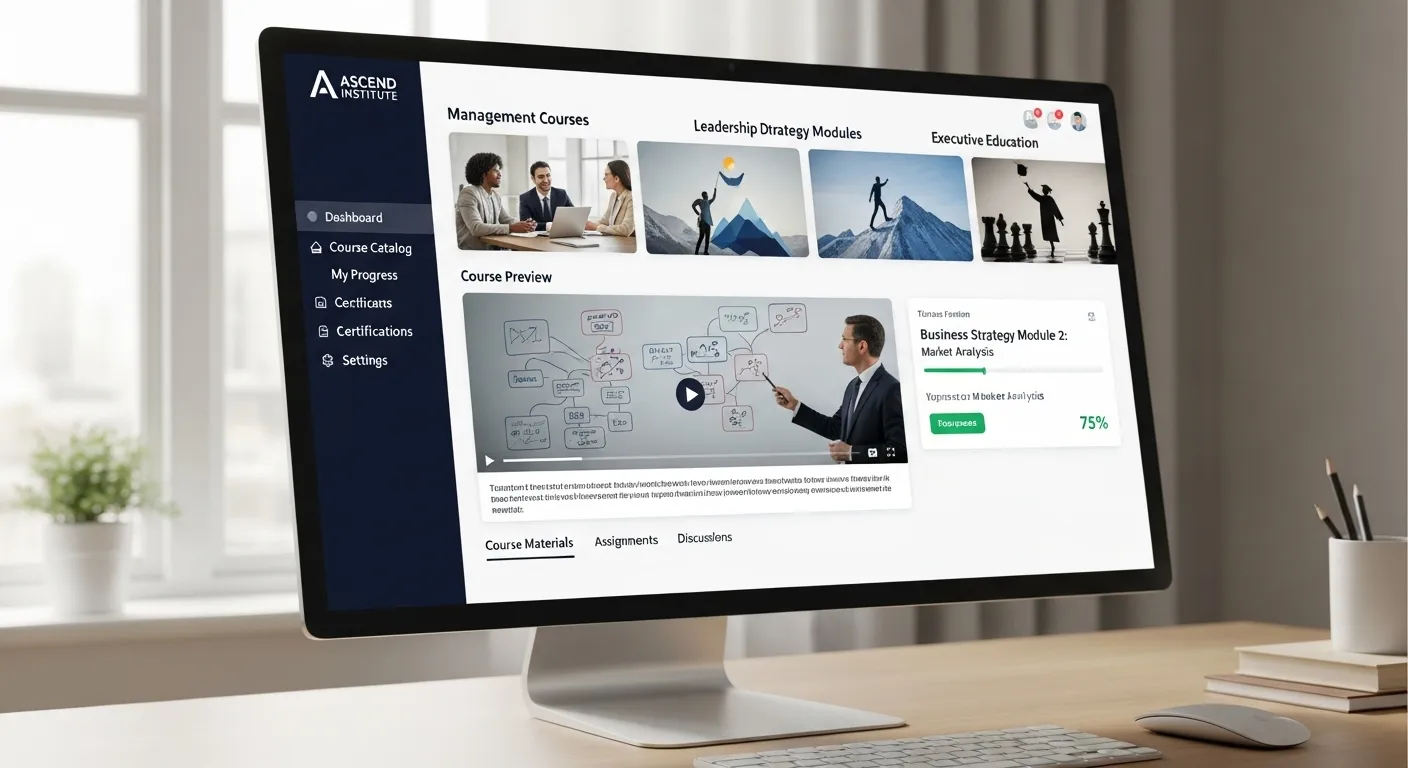
Crafting a Winning Digital Marketing Plan: Strategies for Professional Skill Advancement
In today's rapidly evolving digital landscape, simply having digital marketing skills is no longer enough. To truly stand out and propel your career forward, professionals must engage in continuous learning and strategic planning. This guide is dedicated to helping you in crafting a winning digital marketing plan specifically designed for your professional skill advancement. It's about more than just keeping up; it's about leading the charge in innovation and effectiveness.
A well-structured plan not only identifies the skills you need but also charts a clear path to acquire and master them, ensuring you remain competitive and valuable in the industry. By focusing on key areas and leveraging current trends, you can transform your career trajectory.
Key Points:
- Strategic Skill Mapping: Align your learning with industry demands and career goals.
- Continuous Learning: Embrace ongoing education to stay ahead of marketing trends.
- AI Integration: Leverage artificial intelligence for both marketing and personal development.
- Data-Driven Decisions: Master analytics to validate and refine your strategies.
- Iterative Planning: Treat your career plan as a living document, subject to constant updates.
The Imperative of Crafting a Winning Digital Marketing Plan for Career Growth
The digital marketing realm is a dynamic ecosystem, characterized by constant technological innovation and shifting consumer behaviors. From algorithm updates to emerging platforms, what was effective yesterday might be obsolete tomorrow. For professionals, this means that stagnation is not an option. Proactive skill development is the bedrock of sustained career growth and relevance.
Why a Strategic Marketing Roadmap is Crucial for Professionals
Without a clear roadmap, your efforts to learn new skills can be haphazard and inefficient. A strategic plan provides direction, helping you prioritize what to learn and how to apply it for maximum impact. It empowers you to move beyond reactive learning to a proactive approach, anticipating future needs and positioning yourself as a thought leader. This foresight is critical for anyone serious about professional skill advancement in digital marketing.
A well-defined plan also helps you articulate your value proposition to employers or clients. It showcases your commitment to excellence and your ability to navigate the complexities of modern marketing. Furthermore, it acts as a personal accountability tool, ensuring you dedicate consistent effort to your development goals. Building a robust portfolio that reflects these advanced skills becomes a natural outcome of following such a plan.
Essential Components of a Robust Digital Marketing Skill Advancement Plan
Crafting a winning digital marketing plan for personal growth involves several deliberate steps. Each component is designed to build upon the last, creating a comprehensive strategy that addresses both your current standing and future aspirations.
Step 1: Self-Assessment and Goal Setting
Begin by thoroughly evaluating your current skill set. What are your strengths? Where are your weaknesses? Use a structured approach, perhaps listing skills across various digital marketing disciplines like SEO, content marketing, social media, paid advertising, email marketing, and analytics. Be honest and objective in this assessment. Once you have a clear picture, set specific, measurable, achievable, relevant, and time-bound (SMART) goals. Do you aim to become an expert in data analytics, or perhaps pivot into a leadership role focused on digital strategy? Your goals will dictate the direction of your learning.
Step 2: Identifying Key Digital Marketing Skill Gaps and Opportunities
After self-assessment, pinpoint the crucial skill gaps that hinder your progress toward your defined goals. Research current industry trends and employer demands. For instance, according to a report by eMarketer from mid-2024, the demand for marketing professionals proficient in AI-driven analytics grew by 35% year-over-year, highlighting a significant opportunity. Consider emerging areas like ethical AI in marketing, privacy-centric advertising, and advanced personalization techniques. These insights will help you focus your learning on skills that offer the highest return on investment for your career. Don't just follow the crowd; identify niches that align with your passion and market need.
Step 3: Curating Learning Resources and Practical Application
With your target skills identified, the next step is to find the best resources. This could include online courses (Coursera, Udemy, LinkedIn Learning), certifications (Google, HubSpot), industry webinars, books, podcasts, and mentorship programs. A 2023 study published by the Digital Marketing Institute highlighted that continuous professional development is directly linked to a 20% higher career trajectory, emphasizing the value of structured learning. Remember, learning isn't just about consumption; it's about application. Create personal projects, volunteer for relevant tasks, or even start a blog to put your new knowledge into practice. For example, if you're learning advanced SEO, apply your newfound knowledge to improve the search ranking of your own portfolio site, or assist a small business. Foundational SEO knowledge is key here. To deepen your understanding of search engine optimization, you might find value in exploring resources on /articles/understanding-seo-basics-for-beginners.
Differentiating Your Digital Marketing Skill Set in a Competitive Landscape
Simply possessing skills isn't enough; true advancement comes from differentiating yourself. This involves embracing cutting-edge technologies and developing a unique perspective.
Leveraging AI and Automation in Your Learning Journey
The advent of AI and automation tools has revolutionized digital marketing, and savvy professionals are not only using them in their campaigns but also in their personal development. Utilize AI-powered platforms to analyze industry trends, identify learning content, or even practice content generation. For example, an AI writing assistant can help you refine your copywriting skills by suggesting improvements, or you can use data visualization tools to practice interpreting campaign performance. This forward-thinking approach sets you apart, showcasing your adaptability and technical prowess. My personal experience shows that understanding how AI works, not just what it does, provides a deeper, more strategic advantage.
Mastering Data Analytics for Strategic Decision-Making
Data is the lifeblood of modern digital marketing. Proficiency in data analytics is no longer a niche skill but a fundamental requirement for anyone aspiring to a strategic role. This involves understanding how to collect, interpret, and act upon insights from various sources like Google Analytics, social media insights, and CRM data. Go beyond basic reporting; aim to connect data points to tell a compelling story about campaign performance and customer behavior. Insights from HubSpot's 2025 State of Marketing Report indicate that privacy-centric advertising and first-party data strategies are becoming paramount, underscoring the need for advanced data literacy. This mastery allows you to make evidence-based decisions, optimize campaigns, and demonstrate a clear return on investment. Professionals who can bridge the gap between raw data and actionable strategies are incredibly valuable.
Implementing and Iterating Your Professional Digital Marketing Plan
A plan is only as good as its execution and adaptability. Crafting a winning digital marketing plan requires continuous implementation, tracking, and adjustment.
Tracking Progress and Measuring ROI of Your Learning
Just as you track marketing campaign performance, you should track your personal learning progress. Set milestones, celebrate achievements, and objectively assess whether your new skills are translating into tangible career benefits. This could mean successfully managing a complex campaign, securing a promotion, or expanding your client base. For example, if your goal was to master a new content strategy, evaluate the engagement metrics of your new content pieces. This focus on return on investment for your learning efforts keeps you motivated and ensures your time and resources are well spent.
Staying Agile: Adapting to Evolving Digital Marketing Trends
The digital marketing landscape is constantly shifting. Your plan should not be a rigid document but a living blueprint that you revisit and revise regularly – perhaps quarterly or semi-annually. New tools, platforms, algorithms, and consumer behaviors emerge constantly. For instance, the growing emphasis on creative design principles and user experience highlights the need for marketers to understand elements typically associated with /categories/creative-and-design-programs. Be prepared to pivot your learning goals based on these changes. Attend industry conferences, subscribe to leading publications, and network with other professionals to stay informed. My advice is to dedicate specific time each week to trend scouting and consider how these trends impact your personal digital marketing plan. Developing a robust content strategy is crucial for adapting to these trends. Find more information on building effective content strategies here: /articles/developing-a-robust-content-marketing-strategy.
FAQ Section
Q: How often should I update my digital marketing skill advancement plan? A: It's recommended to formally review and update your plan at least quarterly, and conduct a comprehensive overhaul annually. The digital marketing landscape changes rapidly, so frequent check-ins ensure your plan remains relevant and aligned with current industry trends and your evolving career goals. Minor adjustments can, of course, be made as new tools or strategies emerge.
Q: What are the most in-demand digital marketing skills for 2025 and beyond? A: Beyond foundational skills, those in high demand include advanced data analytics, AI and machine learning proficiency, privacy-centric marketing, user experience (UX) design principles, video marketing expertise, and strong soft skills like adaptability and critical thinking. The ability to integrate these diverse skills into cohesive strategies will be highly valued.
Q: Can I really advance my skills without formal education? A: Absolutely. While formal education offers structure, the digital marketing field heavily values practical experience, certifications, and demonstrated results. Many industry leaders are self-taught or learned through online courses, bootcamps, and hands-on projects. Focus on building a strong portfolio and continuously applying what you learn in real-world scenarios.
Q: How do I measure the success of my personal digital marketing learning initiatives? A: Measure success by tracking tangible outcomes: promotions, salary increases, successful project completions, positive client feedback, or the growth of personal projects. Set specific KPIs for your learning goals, such as mastering a new software, passing a certification, or achieving a certain level of performance on a personal campaign.
Conclusion
Crafting a winning digital marketing plan for professional skill advancement is an investment in your future. By taking a strategic, iterative, and data-driven approach, you can navigate the complexities of the digital world with confidence and competence. Embrace continuous learning, leverage emerging technologies like AI, and remain agile in your approach. Your dedication to a well-defined plan will not only keep you relevant but also position you as a leader in this exciting and ever-changing industry.
Start mapping out your journey today. What skills will you master next? Share your thoughts and experiences in the comments below, or connect with us on social media to discuss your professional skill advancement strategies.
Extended Reading Suggestions:
- Deep Dive into Advanced SEO Techniques
- The Future of Social Media Advertising
- Ethical AI in Marketing: A Practitioner's Guide