Mastering Professional Presentations: Techniques for Engaging Audiences and Career Growth
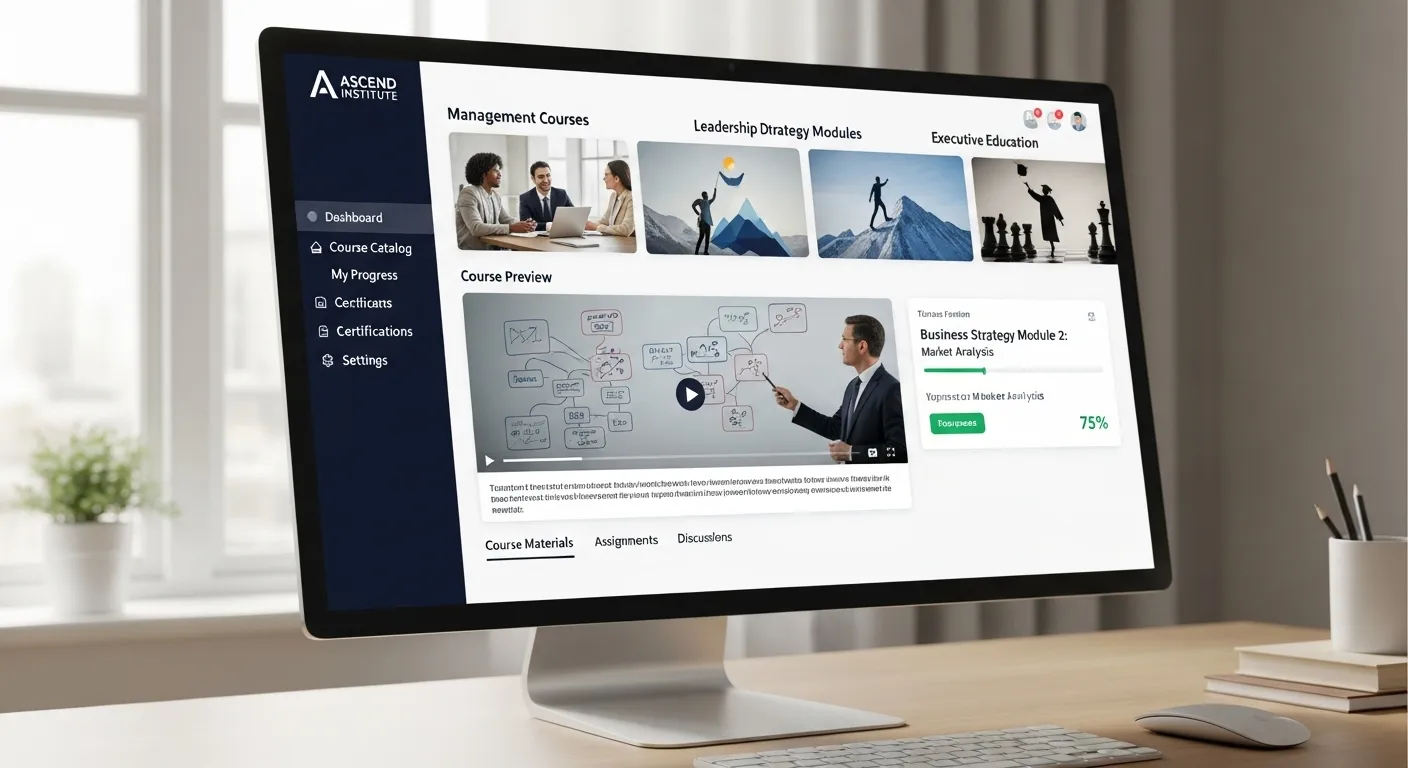
Mastering Professional Presentations: Techniques for Engaging Audiences and Career Growth
In today's fast-paced professional landscape, the ability to deliver compelling presentations is no longer just a skill—it's a superpower. Whether you're pitching a new idea, reporting on project progress, or leading a team meeting, your ability to connect and persuade through spoken word directly impacts your influence and career trajectory. Mastering professional presentations: techniques for engaging audiences and career growth is essential for anyone aiming to stand out. This guide will equip you with practical strategies to captivate your audience, build confidence, and significantly advance your professional standing.
Here are the key points we'll cover to transform your presentation skills:
- Audience-Centric Approach: Tailoring content for maximum impact.
- Dynamic Delivery: Techniques for engaging audiences, from voice to body language.
- Visual Storytelling: Crafting impactful slides and visuals.
- Modern Tools & AI Integration: Leveraging technology for preparation and delivery.
- Feedback & Growth: Continuously refining your presentation prowess.
The Foundation of Engaging Professional Presentations
At its core, a successful presentation isn't about what you say, but how your audience receives it. Before you even think about slide design or vocal inflection, laying a solid foundation is crucial for any truly impactful delivery. This foundational work ensures your message resonates and achieves its intended purpose.
Understanding Your Audience: The First Step to Impact
Every great presentation begins with a deep understanding of who you're speaking to. Who are they? What are their backgrounds, their pain points, their expectations? A clear grasp of your audience allows you to tailor your message, examples, and even your tone to maximize relevance and engagement. For instance, presenting to executives requires brevity and focus on ROI, while a technical team might appreciate deeper dives into methodology. Neglecting this step can lead to a disconnect, making your efforts less effective.
Crafting Your Message: Clarity and Impact
Once you know your audience, the next step is to distill your message into a clear, concise narrative. What is the single most important takeaway? Structure your content logically, perhaps using a problem-solution framework or a chronological approach. Powerful storytelling can transform dry data into memorable insights. Focus on clarity above all else; a muddled message will confuse, not convince. Remember, your goal is to inform, persuade, or inspire, and a clear message is the vehicle. If you're looking for more general guidance on improving your skills within a specialized industry, explore our offerings in Specialized Industry Training.
Advanced Techniques for Engaging Audiences in the Digital Age
The modern presentation landscape extends far beyond the traditional boardroom. With hybrid work and global teams, engaging audiences requires innovative strategies and a willingness to embrace new tools. These advanced techniques are key to delivering impactful presentations, ensuring your message cuts through the noise.
Leveraging Visual Storytelling and Modern Tools
Gone are the days of text-heavy slides. Today, visuals are paramount. Think of your slides as complements to your spoken words, not scripts. Use high-quality images, infographics, and short videos to convey complex ideas quickly and memorably. Tools like Prezi, Canva, and even advanced PowerPoint features allow for dynamic, non-linear presentations that can keep an audience captivated. Thoughtful design enhances retention and supports your narrative. According to a 2024 study published in "Visual Communication Journal," presentations incorporating high-quality visual storytelling saw a 43% increase in audience recall compared to text-only alternatives.
The Power of Interactive Delivery: Beyond the Monologue
To truly engage your audience, consider making your presentation a conversation, not a monologue. Integrate polls, Q&A sessions, or even small group discussions directly into your talk. Modern platforms offer built-in interactive features that allow for real-time feedback and participation. This approach fosters a sense of involvement, making your audience feel valued and more connected to your message. Even simple actions like asking direct questions or encouraging comments can significantly boost engagement.
Integrating AI for Enhanced Presentation Preparation
A significant differentiated advantage in today's presentations comes from leveraging artificial intelligence. AI tools can help streamline various aspects of preparation, from content generation to slide design. For instance, AI-powered writing assistants can help refine your script for clarity and conciseness, while AI design tools can suggest layouts, color schemes, and even generate relevant images based on your content. Some platforms now offer AI feedback on your practice delivery, analyzing your pace, tone, and filler words. A recent report by the "Future of Work Institute" (2025) highlighted that professionals who utilize AI tools for presentation prep reduce their preparation time by an average of 30% while improving content quality. This allows you to focus more on your delivery and less on the grunt work.
Elevating Your Delivery: From Nerves to Natural Confidence
Even with the best content, poor delivery can undermine your entire effort. Elevating your delivery is about honing your stage presence, vocal dynamics, and non-verbal cues to exude natural confidence and command attention. These personal techniques are vital for mastering professional presentations.
Mastering Non-Verbal Communication and Vocal Variety
Your body language speaks volumes before you utter a single word. Maintain open posture, make consistent eye contact (or simulate it in virtual settings), and use natural gestures to emphasize points. Vocal variety—modulating your pitch, pace, and volume—keeps your audience awake and invested. Avoid a monotone delivery at all costs. A brief pause can be incredibly powerful, creating suspense or allowing a key point to sink in. Remember, authenticity is key; don't try to be someone you're not, but strive to present the best version of yourself.
Rehearsal Strategies for Flawless Execution
Practice doesn't make perfect, but purposeful practice makes for a confident, natural delivery. Don't just read through your slides; practice standing up, using your visuals, and speaking aloud. Record yourself and critically review your performance. Pay attention to timing, transitions, and areas where you might stumble. Rehearse not just what to say, but how you will say it, allowing room for spontaneity. This dedicated preparation reduces anxiety and enhances your ability to connect genuinely with your audience. For more detailed insights on public speaking, consider reading "Effective Public Speaking Strategies for Business Leaders" at /articles/effective-public-speaking-strategies-for-business-leaders.
Measuring Impact and Sustaining Career Growth Through Presentations
The journey of mastering professional presentations doesn't end when you say "thank you." True growth comes from analyzing your performance and continuously seeking improvement. This commitment to refinement directly contributes to your overall career advancement.
Post-Presentation Analysis and Feedback Integration
After each presentation, take time to reflect. What went well? What could be improved? Even better, solicit feedback from trusted colleagues or mentors. Constructive criticism is invaluable for identifying blind spots and refining your approach. Did your audience understand your main points? Did you achieve your objective? Use this information to iterate and improve for your next opportunity. This feedback loop is critical for honing your presentation skills over time.
Building a Reputation as a Compelling Communicator
Consistent delivery of excellent presentations builds your reputation as a highly competent and persuasive communicator. This isn't just about sharing information; it's about demonstrating leadership, clarity of thought, and the ability to influence. According to a 2023 LinkedIn study on professional development, strong communication skills, particularly in presentations, were cited by 78% of hiring managers as critical for career progression into leadership roles. By continually improving presentation delivery and engaging audiences effectively, you naturally open doors to new opportunities, promotions, and greater impact within your organization. To further develop your communication prowess, you might find valuable insights in /articles/developing-strong-communication-skills-for-leadership.
Frequently Asked Questions About Professional Presentations
How do I overcome presentation anxiety?
Overcoming presentation anxiety often involves a combination of thorough preparation, visualization techniques, and controlled breathing. Practice your presentation multiple times, focusing on key transitions. Before you begin, take deep, slow breaths to calm your nervous system. Visualize yourself successfully delivering the presentation. Remember that a little nervousness can actually make you more alert and energetic, so learn to channel it positively rather than letting it overwhelm you.
What are the most effective visual aids for professional presentations?
The most effective visual aids are those that enhance, not distract from, your message. High-quality images, simple graphs, infographics, and short video clips are generally more impactful than text-heavy slides. Aim for one main idea per slide and use visuals to support that point. Ensure visuals are clear, relevant, and visually appealing, using consistent branding and legible fonts. Avoid clutter to maintain focus.
How can I make virtual presentations more engaging?
Making virtual presentations engaging requires extra effort. Utilize interactive features like polls, Q&A sessions, and chat functions to encourage participation. Maintain consistent eye contact with your camera to simulate direct engagement. Use a professional background and good lighting. Vary your vocal tone and pace, and integrate dynamic visuals. Encourage attendees to use their cameras if possible to foster a greater sense of connection.
How important is storytelling in professional presentations?
Storytelling is incredibly important in professional presentations because it makes your content memorable and relatable. Facts and figures alone can be dry, but embedding them within a compelling narrative helps your audience connect emotionally and understand the real-world implications of your message. Stories can illustrate complex ideas, highlight challenges, and emphasize solutions, making your presentation more impactful and persuasive.
Elevate Your Voice, Elevate Your Career
Mastering professional presentations: techniques for engaging audiences and career growth is an ongoing journey, but one that yields significant rewards. By adopting an audience-first mindset, leveraging modern tools, refining your delivery, and continuously seeking feedback, you'll transform your presentations from mere information sharing into powerful catalysts for change and advancement. Your voice is a potent tool; learn to wield it with precision and passion.
We encourage you to share your own presentation tips in the comments below or reach out with questions. Your insights enrich our community!
Further Reading Suggestions:
- "The Art of Public Speaking" - Discover foundational principles that transcend time.
- "Presentation Zen" by Garr Reynolds - Focuses on design and delivery.
- "Resonate" by Nancy Duarte - Explores storytelling structures for presentations.
This article was last updated on December 6, 2025. The information on AI tools for presentations is evolving rapidly; we recommend checking for the latest advancements regularly. Future topics we plan to explore include "Personal Branding Through Keynote Speaking," "Ethical Considerations in Persuasive Communication," and "Advanced Data Visualization for Impactful Reporting."